
Home | Blog | Giving Back | Facebook
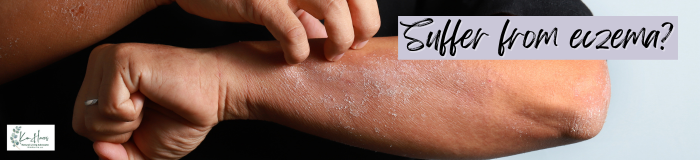
Do you or someone you love suffer from eczema?
According to the National Eczema Association, approximately 31.6 million people in the United States have some form of eczema. This represents about 10% of the population. Eczema can affect individuals of all ages, from infants to adults with the severity and prevalence varying widely among individuals.
Researchers still don't know the exact cause of eczema; however, we do know it can be triggered by various factors ranging from genetic to environmental causes.
A few of the known causes and triggers are:
- Genetics: Eczema tends to run in families, suggesting a genetic predisposition to the condition.
- Immune system dysfunction: People with eczema often have an overactive immune system, leading to increased inflammation and sensitivity in the skin.
- Environmental factors: Things such as soaps, detergents, fragrances, and certain fabrics that come into contact with the skin. Additionally, exposure to extreme temperatures, humidity changes, or dry air can also contribute to flare-ups.
- Allergens: Common allergens include dust mites, pet dander, pollen, mold, and certain foods. Allergic reactions can cause the immune system to respond and trigger an eczema flare-up.
- Stress: Emotional stress and anxiety can contribute to eczema flare-ups or worsen existing symptoms. Stress can disrupt the normal functioning of the immune system and affect the skin's barrier function, making it more susceptible to inflammation and irritation.
- Microbial factors: Bacterial, viral, or fungal infections can trigger or exacerbate eczema symptoms. Staphylococcus aureus, a common bacteria found on the skin, is often associated with eczema flare-ups. Additionally, certain viruses like the herpes simplex virus can worsen eczema symptoms.
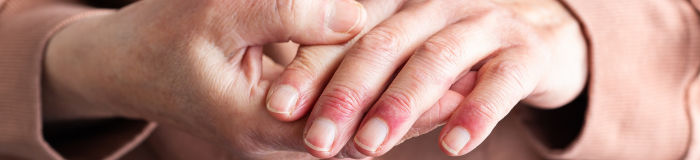
Here are some things you can do to help calm eczema and alleviate the symptoms*:
- Moisturize regularly: Use a gentle, fragrance-free moisturizer or emollient cream regularly to hydrate the skin and maintain its barrier function. Apply moisturizer immediately after bathing to lock in moisture.
- Avoid known triggers: These triggers can vary from person to person but may include certain fabrics, irritants, allergens, extreme temperatures, and stress. Minimizing exposure to these triggers can help reduce flare-ups.
- Use mild soaps and detergents: Opt for mild, fragrance-free soaps and detergents that are gentle on the skin. Harsh soaps and cleansers can strip the skin of its natural oils and worsen eczema symptoms.
- Practice good bathing habits: Take lukewarm showers or baths, as hot water can further dry out the skin. Limit your bathing time to avoid excessive moisture loss. Use a gentle, non-soap cleanser, and pat your skin dry with a soft towel afterward instead of rubbing.
- Avoid scratching: Scratching can exacerbate eczema symptoms and lead to skin damage and infections.
- Manage stress: Stress can worsen eczema symptoms, so it's important to find healthy ways to manage stress levels.
- Seek medical advice: If your eczema is severe, persistent, or significantly affecting your quality of life, consult a healthcare professional, preferably a dermatologist.
*The content provided herein is not intended as medical advice.
Below are some of the items I enjoy that help with my symptoms:
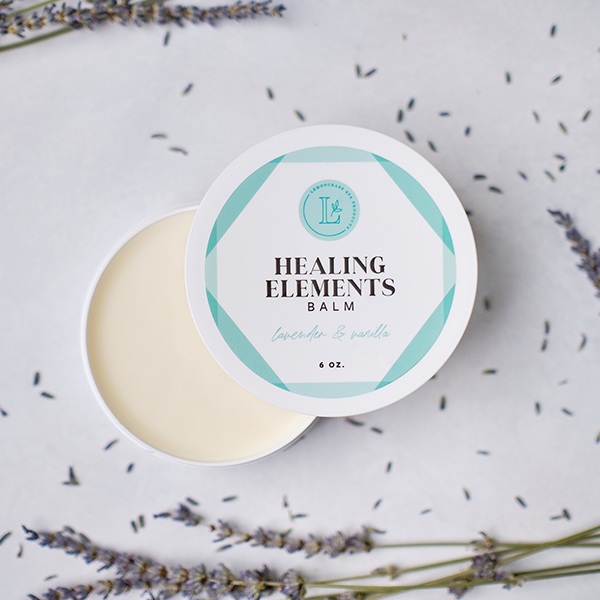
Healing Elements Balm
As this versatile and nourishing balm melts into your skin, it delivers the ultimate in hydration and care, helping to alleviate the discomfort associated with eczema. The ingredients* work together to provide relief from eczema symptoms, such as itching and discomfort.
*Contains nut oils. Ask me for a nut free alternative if allergic.
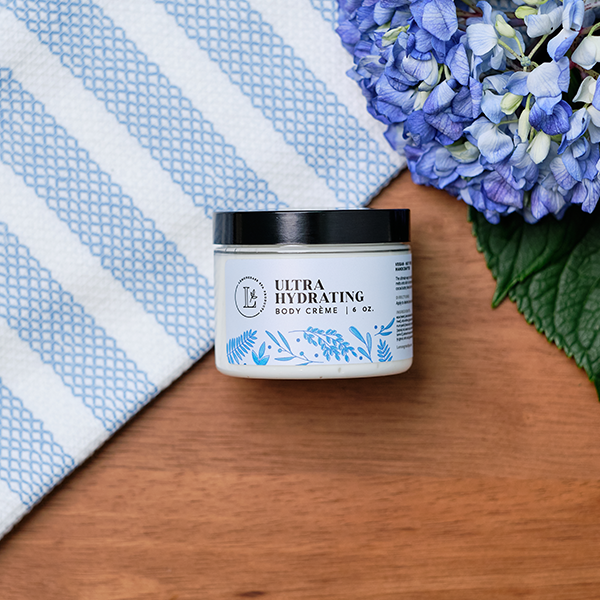
Ultra Hydrating Body Lotion
This cream is formulated to provide deep moisturization to replenish and hydrate the skin. The combination of aloe vera, jojoba oil, and shea butter offers powerful moisturizing properties, helping to restore the skin's natural moisture balance and combat dryness. This cream is designed to improve the softness of the skin by providing essential nutrients and moisture.

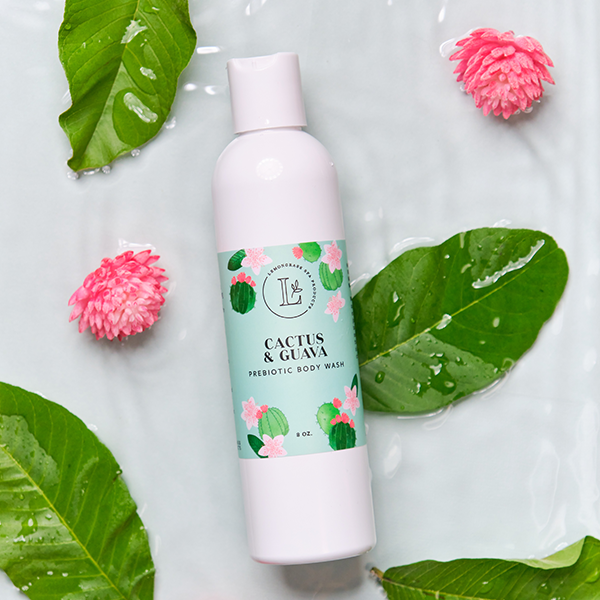
Prebiotic Hand Wash
& Body Wash
Eczema-prone skin often has an imbalance of microorganisms, with a decrease in beneficial bacteria. Prebiotic body washes contain ingredients that provide nourishment and support the growth of beneficial bacteria on the skin.
Many prebiotic body washes are designed to be gentle and hydrating, which can be beneficial for eczema-prone skin. They often avoid harsh ingredients like fragrances, sulfates, and dyes that can further irritate sensitive skin. By providing hydration and reducing potential irritants, these body washes can help calm inflammation and relieve dryness associated with eczema.
*Other scents available. Scents are derived from plant botanicals and essential oils.

Text LGSKim* to 984-213-1205 if you'd like to receive texts about specials, product tips and more!
*Clicking link will open your messaging app on your phone.
Just hit the 'send' button to send the auto-populated keyword to me.


